.webp)
ost corporate events are forgettable. The agenda runs long, the catering disappoints, the AV fails at the worst possible moment, and guests leave having made no meaningful connections and gained nothing they could not have got from an email. It does not have to be that way. With the right planning and the right priorities, a corporate event can be something people genuinely look forward to and talk about long after it is over.
This guide walks you through exactly how to make that happen. And if you want expert help bringing it all together, contact Bilo Events in California today and let an experienced team handle the details for you.
A corporate event is an organized gathering hosted by a company for a business purpose. It can be internal, like team meetings and staff events, or external, like client dinners and industry conferences.
These events help companies launch products, reward employees, build relationships, and connect with their audience. Common examples include conferences, team-building events, product launches, and networking sessions.
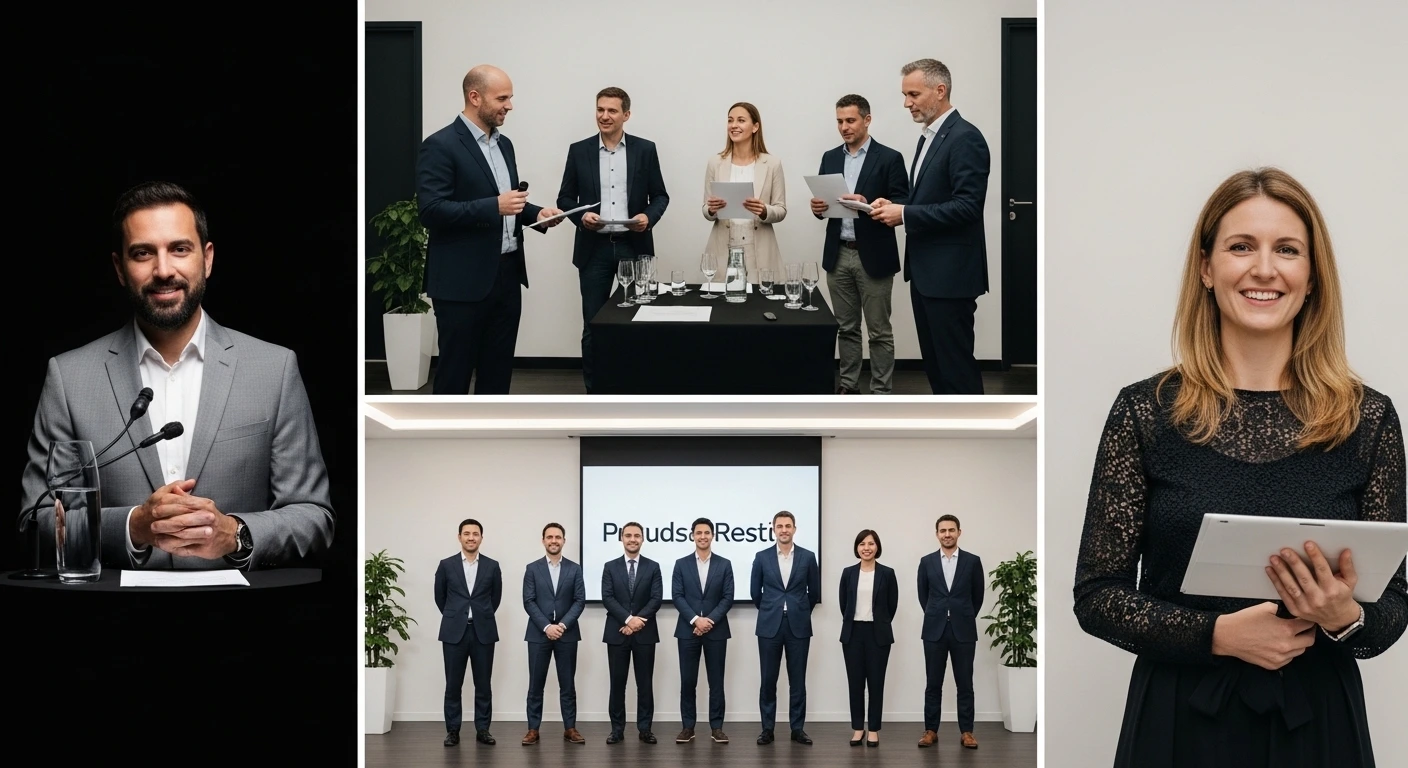
Understanding the type of event you are planning helps you make the right decisions about format, venue and logistics from the very beginning. The type of event you are planning shapes everything: the venue, the format, and the overall experience.
Large gatherings built around a shared theme or agenda. They typically include keynote speakers, panel discussions, and networking sessions. They require strong AV support, detailed scheduling, and a venue that can handle both large and small group sessions.
Designed to strengthen relationships and boost morale within a company. From outdoor activity days to creative workshops the best team building events give people a genuine reason to connect beyond their day-to-day roles.
High-stakes events designed to generate excitement around something new. Every detail the atmosphere, the presentation, the reveal moment needs to work together to create maximum impact and leave attendees genuinely enthusiastic.
End-of-year parties, milestone celebrations, and employee award nights all serve one important purpose: making people feel valued. Getting the tone right is everything. It should feel like a genuine celebration, not a corporate obligation.
Designed to connect people across an organisation, an industry, or between a company and its clients. The best networking events create natural opportunities for conversation rather than forcing awkward introductions.
Good planning is what separates a corporate event that runs smoothly from one that falls apart under pressure. Before you book a venue or contact a single vendor, three things need to be in place: a clear purpose, and a solid timeline.
Every corporate event needs a clear reason for existing. Are you launching a product? Rewarding your team? Building client relationships? Without a defined purpose, decisions become inconsistent.
Once you have your objective, make sure the event aligns with broader business goals. An event that supports a real business outcome is an investment. One that exists in isolation is just an expense.
Choose your date carefully. Avoid public holidays, major industry events, and dates that clash with key business periods. Confirm availability with your most important speakers or guests before locking anything in.
Once the date is set, work backwards and assign a clear deadline to every key milestone venue booked, catering confirmed, invitations sent, run of show finalised. A planning timeline turns a complex process into a series of manageable steps with clear accountability at every stage.
Once the purpose, and date are confirmed, the focus shifts to the elements that shape the actual experience: the venue, the catering, and the vendors who bring it all together.
Your venue sets the tone for everything. Starting with capacity the space should feel comfortably full without being overcrowded. Too large feels empty. Too small feels uncomfortable.
Before booking ask the important questions: what is included in the hire fee, is AV equipment provided, and are there any noise restrictions. The answers often reveal hidden costs that are not obvious from the initial quote.

Food and drink have a bigger impact on the event experience than most people expect. Match the catering style to the type of event a formal dinner calls for table service, a networking event works better with canapés and drinks that allow people to move freely. Always collect dietary requirements in advance and make sure they are handled properly not as an afterthought.
The vendors you hire directly shape the quality of the experience. For AV and technical support use experienced professionals, brief them thoroughly, and always run a technical rehearsal before guests arrive.
For speakers and entertainment choose people who genuinely fit the audience and purpose of the event. Brief them clearly on the tone and what you need them to deliver.
With the Corporate event venue selection, catering, and vendors confirmed, the focus shifts to the details that make the event run smoothly on the day itself.
Make sure registration is smooth and efficient. Guests kept waiting to arrive frustrated before the event had even started. Good signage, enough staff, and a clear layout made the whole experience feel effortless.
List every element in chronological order with precise timings and share it with every vendor, staff member, and speaker before the day. Everyone needs to know exactly where to be and when. Build buffer time when things always run over.
A well-organised event is not enough; attendees need to feel genuinely engaged. Live polls and group discussions make the event feel dynamic. Create real networking opportunities and choose entertainment that genuinely fits your audience.
The event ending is not the finish line. It is the starting point for the relationships, opportunities, and improvements that come out of it. How you follow up determines how much value you actually get from everything you put into planning it.
After the event, take time to review how it went. Gather attendee feedback quickly through a short survey while the experience is still fresh. Compare the results with the goals you set at the start. This helps you understand what worked well and what can be improved for future events.

The event may be over, but the relationships continue. Send thank-you emails within 48 hours and share highlights like photos or key takeaways. A personalised follow-up helps strengthen connections and create future opportunities.
A great corporate event does not require a massive, large team. It requires clear goals, the right planning, and a genuine commitment to creating an experience that means something to the people attending it.
Contact Bilo Events in California today to get expert guidance from an experienced corporate event wedding. If you are ready to start planning, reach out to an experienced event professional who can help you bring your vision to life.
A great corporate event does not happen by accident. It is the result of clear goals, careful planning, and the right people working together to deliver something that actually means something to the people attending it. Start with your purpose. Build everything around it. Stay organised, stay flexible, and never lose sight of what you are trying to achieve and for whom.
When it all comes together and with the right planning it will be a corporate event more than a business function. It becomes an experience people genuinely remember. And that is exactly what makes every bit of effort worth it.
What is the first step in planning a corporate event?
Start by defining the purpose and goals of the event. Everything else the venue, the budget, the vendors follows from knowing exactly what you are trying to achieve.
How far in advance should I start planning?
Large events like conferences start at least six to twelve months ahead. For smaller events three to six months is usually enough. The earlier you start the more options you have.
Do I need a professional event planner?
Not always but for large or complex events a professional planner saves significant time, prevents costly mistakes, and brings experience you simply cannot replicate on your own.
How do I keep guests engaged during the event?
Build interactive elements into the agenda live polls and group discussions. Create genuine networking opportunities and choose entertainment that fits your audience rather than just filling time.
How do I measure if the event was successful?
Send a feedback survey within 24 hours and measure the results against the goals you set at the beginning. Attendance numbers, engagement levels, and attendee feedback together give you a clear and honest picture of how the event actually performed.


